READ ABOUT IT:
Healthy Herbal Living
Moringa: The Miracle Tree of Nature
Moringa: The Miracle Tree of Nature
When one plant has earned the nickname "The Miracle Tree," it's worth taking notice. Moringa (Moringa oleifera) has been treasured for thousands of years for its remarkable nutritional value and wide range of traditional medicinal uses. Packed with vitamins, minerals, antioxidants, and plant compounds, nearly every part of this extraordinary tree has been used throughout history to support health and wellness.
At Garden Root Remedy, we love herbs that combine traditional herbal wisdom with modern scientific research, and moringa is certainly one of those remarkable plants.
What Does Moringa Look Like?
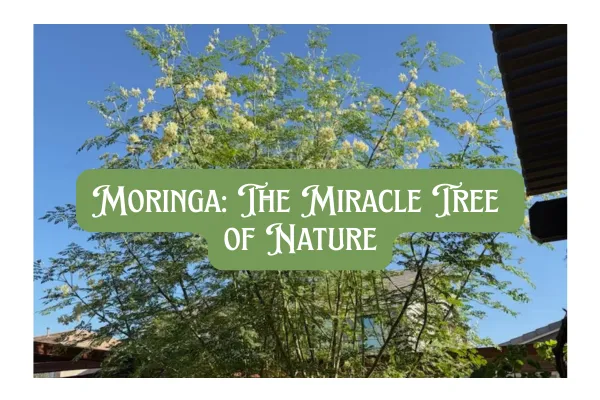
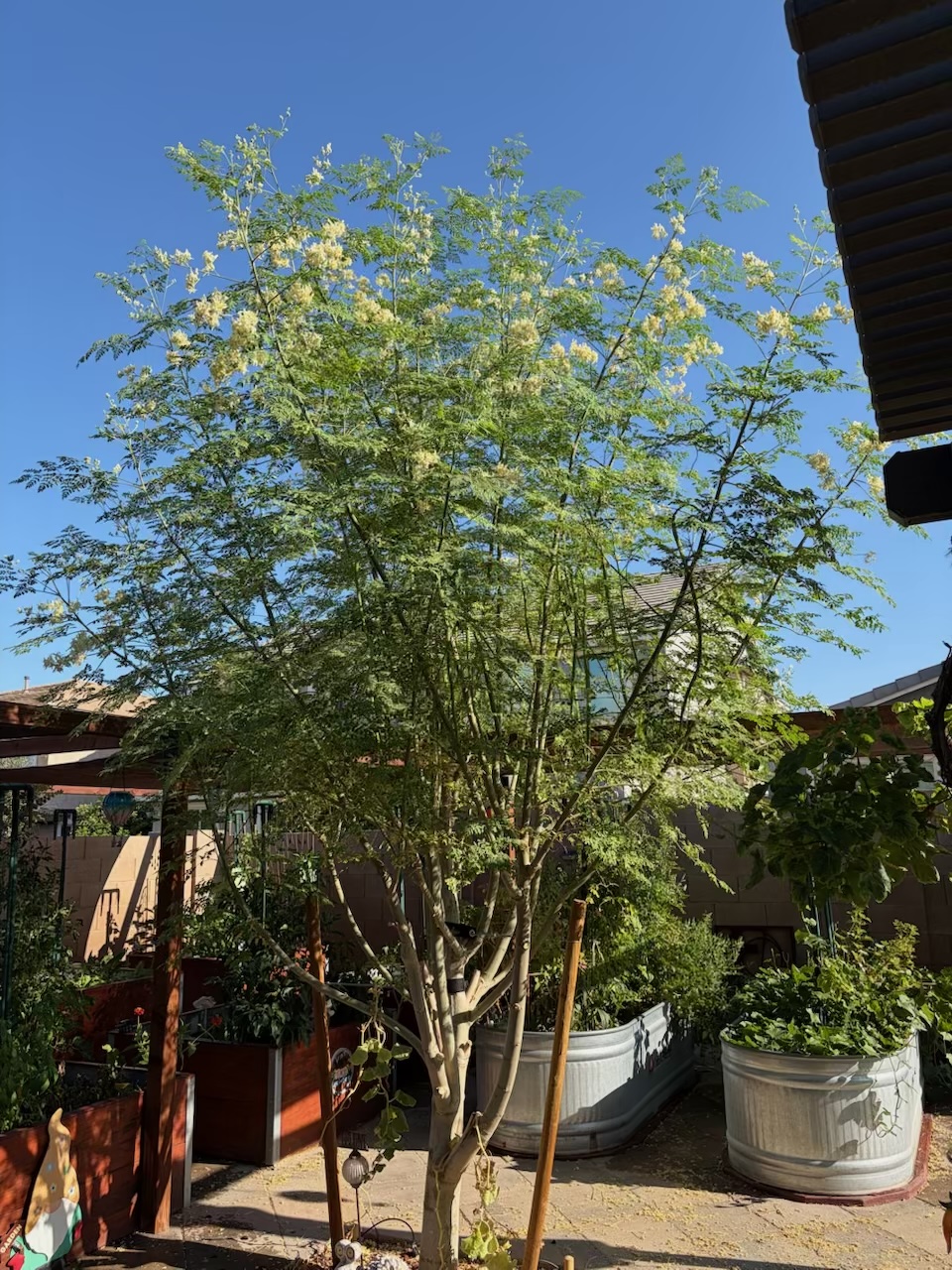
Moringa is a fast-growing deciduous tree that can reach heights of 30 to 40 feet. It has a slender trunk with delicate, feathery branches covered in small oval-shaped bright green leaves. During the growing season, fragrant creamy-white flowers bloom, eventually producing long, narrow seed pods that resemble drumsticks, one reason it is often called the Drumstick Tree.
Every part of the tree is useful, making it one of the most versatile medicinal plants in the world.
Where Does Moringa Grow?
Moringa thrives in hot, tropical and subtropical climates. Native to the foothills of the Himalayan Mountains in northern India, it now grows throughout Africa, South America, Central America, Southeast Asia, the Caribbean, and parts of the southwestern United States.
This drought-tolerant tree prefers:
Full sun
Well-drained soil
Warm temperatures above 70°F
Low humidity
Minimal frost
Once established, moringa grows incredibly quickly, often several feet during its first year—and is highly resistant to drought.
A Brief History
For over 4,000 years, moringa has been an important medicinal plant in Ayurvedic medicine. Ancient healers used it to nourish the body, improve vitality, support digestion, strengthen the immune system, and promote healthy aging.
Egyptians valued moringa oil to protect their skin from the harsh desert climate, while Greek and Roman civilizations traded the precious oil as a luxury product. Today, moringa continues to be studied worldwide for its nutritional density and potential health benefits, earning recognition as one of the world's most nutrient-rich plants.
Benefits of Moringa
Moringa offers an impressive combination of vitamins, minerals, amino acids, antioxidants, and anti-inflammatory compounds that may support overall wellness.
• Rich in Essential Nutrients
Moringa leaves contain vitamins A, C, E, K, several B vitamins, calcium, magnesium, potassium, iron, and protein, making them one of the most nutrient-dense greens available.
• Powerful Antioxidant Support
Compounds such as quercetin, chlorogenic acid, and vitamin C help neutralize free radicals and reduce oxidative stress throughout the body.
• Supports Healthy Inflammation Response
Natural plant compounds may help support a healthy inflammatory response, promoting joint comfort and overall wellness.
• Helps Maintain Healthy Blood Sugar
Several studies suggest moringa may help support healthy blood glucose levels already within the normal range by improving insulin sensitivity.
• Supports Heart Health
Moringa may help maintain healthy cholesterol levels already within normal limits while providing antioxidants that support cardiovascular health.
• Promotes Healthy Liver Function
Traditionally, moringa has been used to help nourish and protect the liver while supporting the body's natural detoxification processes.
• Supports Healthy Energy
Its impressive nutritional profile may naturally support energy production without the stimulation associated with caffeine.
• Immune System Support
Rich in vitamins, minerals, and immune supportive antioxidants, moringa may help the body maintain a healthy immune response.
• Supports Brain Health
Its antioxidants and anti-inflammatory compounds may help protect nerve cells while supporting memory, concentration, and healthy cognitive function.
• Promotes Healthy Skin and Hair
The vitamins, healthy fats, and antioxidants found throughout the plant help nourish healthy skin, support collagen production, and contribute to stronger hair.
Parts of the Moringa Tree Used
One of the most fascinating aspects of moringa is that nearly every part of the tree serves a purpose.
Leaves
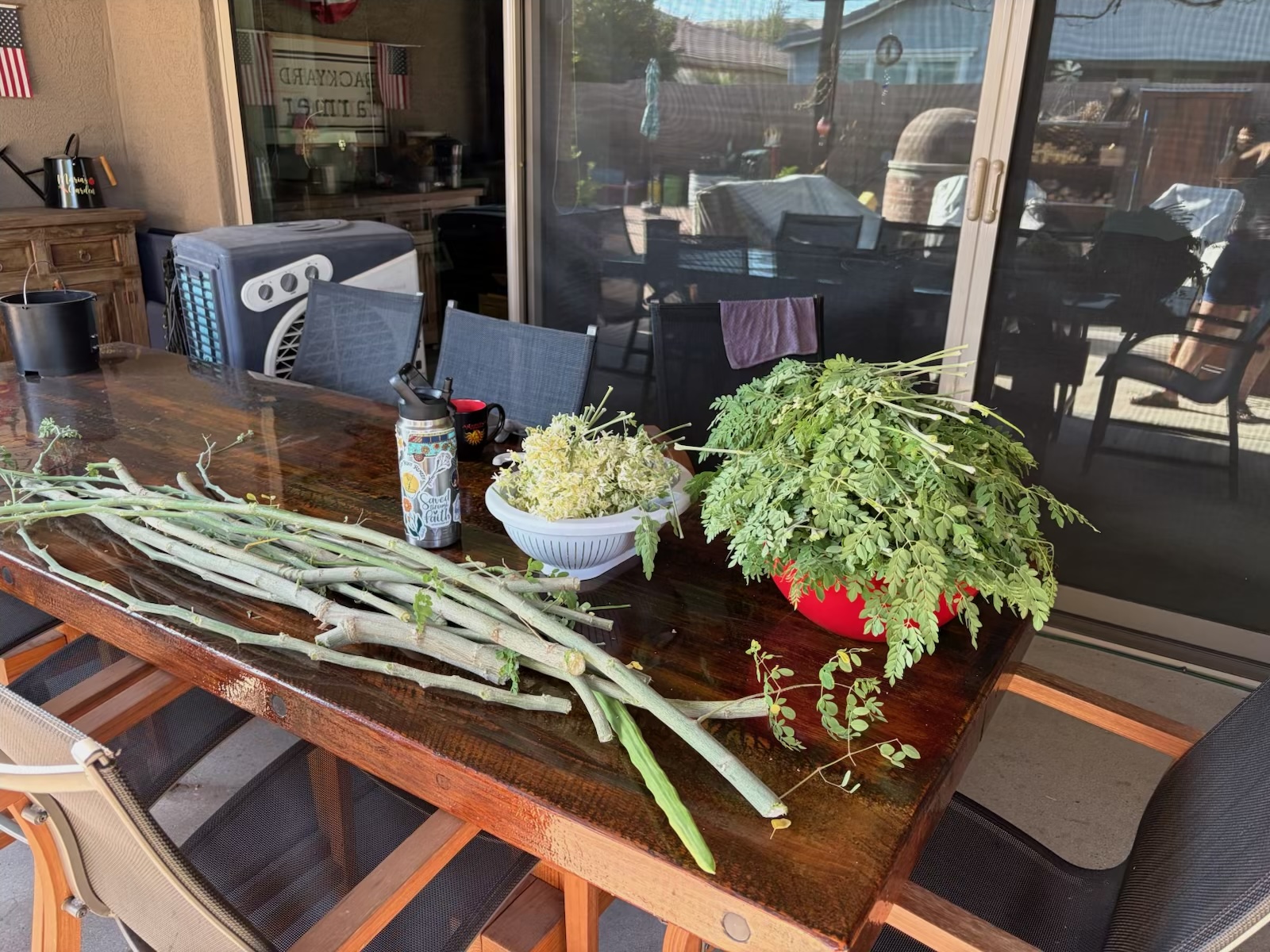
The leaves are the most commonly used medicinal portion of the tree. They are exceptionally rich in vitamins, minerals, antioxidants, amino acids, and chlorophyll.
Seeds
The seeds contain healthy oils and beneficial antioxidants. Traditionally they have been used to support overall wellness and digestive health. Interestingly, crushed moringa seeds have also been used in many parts of the world to help purify drinking water by causing suspended particles to settle.
Flowers
The fragrant white flowers are edible and contain antioxidants.
Traditionally they have been used in:
Herbal teas
Salads
Soups
Lightly sautéed vegetable dishes
Pods
Young seed pods, often called "drumsticks," are commonly eaten as vegetables throughout India and Southeast Asia.
They are rich in:
Fiber
Vitamin C
Potassium
Magnesium
Bark, Root, and Root Bark
Historically, these portions have been used in traditional medicine. However, they contain potent alkaloids and other bioactive compounds that require caution.
These parts should only be used under the guidance of a qualified healthcare practitioner or experienced clinical herbalist. They are generally not recommended for routine home herbal use.
How to Take Moringa?
There are many simple ways to incorporate moringa into your daily wellness routine.
Brew the dried leaves into a nourishing herbal tea.
Add leaf powder to smoothies, yogurt, soups, or oatmeal.
Take capsules for convenient daily use.
Use tinctures when a concentrated liquid extract is preferred.
Incorporate fresh leaves into cooking much like spinach.
For many adults, 1–2 teaspoons of leaf powder daily or 500–1,000 mg of capsules are commonly used, though individual needs vary. As with any botanical, it is best to start with a lower amount and increase gradually as tolerated.
My Final Thoughts
Moringa truly earns its reputation as one of nature's most remarkable trees. From its nutrient rich leaves to its antioxidant packed seeds and nourishing oil, this versatile plant has supported health for centuries across many cultures.
Whether enjoyed as a warm cup of tea, blended into a morning smoothie, taken as a tincture, or incorporated into everyday meals, moringa offers a simple way to add one of nature's most nutrient-dense botanicals to your wellness routine.
At Garden Root Remedy, we believe that understanding our herbs is just as important as using them. Knowledge empowers healthier choices, and every plant has a story worth sharing.
Be Well & Take Care!
Maria Nasta, MSN, FNP-C
Owner + Founder, Clinical Herbalist
"Rooted in Nature, Blooming with Wellness."
Published On: July 15, 2026
_____________________________
**FDA warning: This statement has not been evaluated by the Food and Drug Administration. This product is not intended to diagnose, treat, cure, or prevent any disease.
**Always check with your doctor before using a new product or supplement if you have any questions or concerns about how a product may affect your current health, medications, pregnancy, or breastfeeding.